


-

Add: HeBei ShengShi HongBang Cellulose Technology CO.,LTD.
-

Email
13180486930@163.com -

CONTACT US
+86 13180486930





Hydroxypropyl distarch phosphate (HDP) is an essential modified starch used across a variety of industries , from food production to pharmaceuticals. Its unique properties make it a preferable choice for manufacturers looking to improve the texture, stability, and shelf-life of their products. This article delves into the multifaceted benefits and applications of HDP, drawing on the expertise of industry professionals and real-world experiences to provide a comprehensive understanding. At its core, hydroxypropyl distarch phosphate is a chemically modified starch made by introducing hydroxypropyl groups into the starch molecule. This modification grants the starch increased stability against heat, acid, and shear, making it invaluable especially in processes involving high temperatures or high shear mixing. For food scientists and manufacturers aiming to enhance the quality of processed foods, HDP offers several advantages. It significantly improves the texture and mouthfeel of culinary products. In sauces and gravies, for example, HDP functions as a thickening agent that withstands the rapid heating and cooling cycles often encountered during production or usage. The stability provided by HDP ensures that products retain their desirable consistency over time, thereby extending shelf life and maintaining consumer satisfaction. Moreover, HDP's compatibility with other ingredients is a significant boon for food formulation. It allows for seamless integration into a wide array of recipes, providing uniformity and consistency without compromising flavor or aroma. From baked goods that require moisture retention to dairy products needing a specific creamy texture, the versatility of HDP is crucial. The expertise in producing hydroxypropyl distarch phosphate extends beyond its functional benefits. Producers must adhere to stringent safety and quality standards to ensure that the modified starch is safe for consumption. Regulatory bodies such as the FDA and EFSA approve the use of HDP within specific limits, attesting to its safety when used accordingly. Expert manufacturers implement rigorous quality control processes, analyzing each batch to affirm compliance with these standards, thereby instilling trust in their product. hydroxypropyl distarch phosphate When addressing the pharmaceutical industry, HDP is especially important. It serves as a disintegrant in tablet formulations, aiding in the efficient release of active ingredients once ingested. This functionality is vital for the efficacy of many medications, where precise control over disintegration time affects overall therapeutic effectiveness. Real-world experiences emphasize the transformative power of HDP in product development. Experienced R&D teams often recount how the introduction of this starch into their formulations allowed them to overcome significant challenges, such as achieving the desired viscosity in low-temperature processing or stabilizing emulsions where traditional starches failed. Establishing trustworthiness in HDP's use involves comprehensive documentation and transparency about the sourcing, processing, and application methodologies. Industry leaders in starch modification frequently engage in partnerships with academic institutions and research organizations to remain at the forefront of innovation and application. In practice, using HDP requires understanding its interaction with other components in formulations. Experts recommend starting with small experimental batches to fine-tune the quantity needed for desired outcomes. Experience has shown that while HDP is robust, achieving perfect results may require some tailoring based on the specific matrix in which it is used. In conclusion, hydroxypropyl distarch phosphate is much more than just a modified starch; it's a cornerstone additive that underpins the efficiency and quality of numerous products across diverse industries. Its verified safety, coupled with substantial expert backing, renders it a trustworthy component in the relentless pursuit of product excellence. By leveraging both the experience and profound expertise surrounding HDP, manufacturers can significantly enhance the quality, safety, and appeal of their offerings, ensuring consumer satisfaction and fostering long-term success.
- 40000tons

Production
- 20+years

Experience
- 5000+㎡

Acreage

-

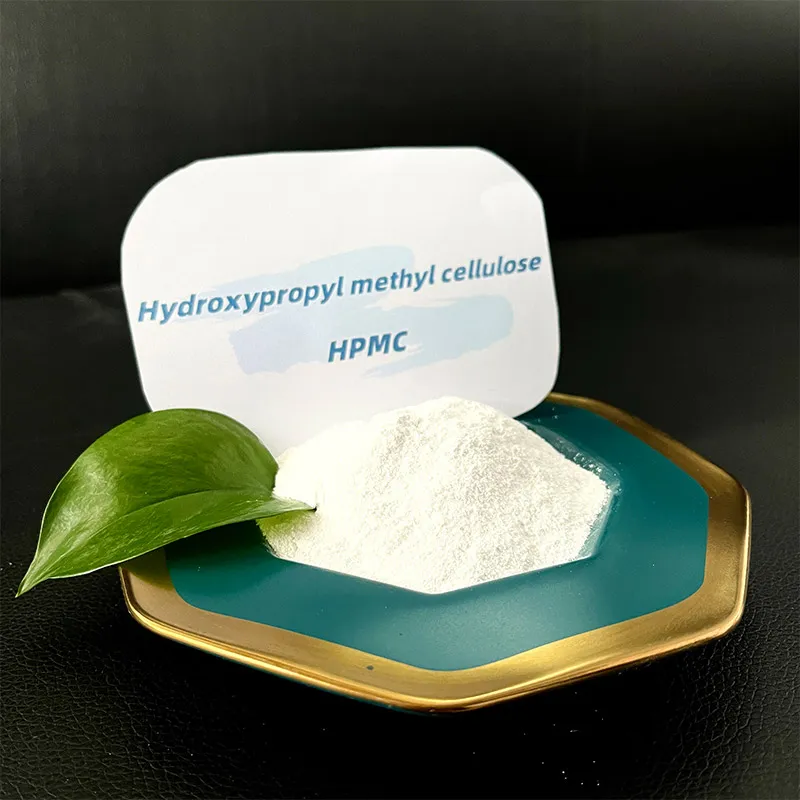
hpmc(Hydroxypropyl methylcellulose, 하이드록시프로필 메틸셀룰로오스)은 다양한 산업 분야에서 활용되는 다기능 첨가제다. hpmc의 화학식은 C56H108O30으로, 이는 셀룰로오스로부터 유래된 천연 고분자 화합물이다. 이 화합물은 특히 건축, 약품, 화장품 등의 분야에서 그 가치를 인정받고 있다. 첫째로, hpmc는 건축 산업에서 일반적으로 사용된다. 시멘트와 석고의 양생을 개선하고, 혼합물의 작업성을 높이는 데 기여한다. 건축 자재에 첨가될 경우, hpmc는 수분 증발을 방지하고, 접착 강도를 향상시켜 구조물의 내구성을 높인다. 이런 기능적 이점 덕분에 hpmc는 전 세계적으로 건축 산업에서 중요한 첨가제로 자리 잡고 있다. 의약품 산업에서도 hpmc의 중요성은 무시할 수 없다 . hpmc는 약물의 제제를 위한 캡슐 또는 정제의 형성을 지원하는데, 이는 약물의 붕괴 시간을 조절하고, 특정 환경에서 약물 방출을 조절하는 데 도움이 된다. 또한, hpmc는 비활성 물질이기 때문에 인체에 안전하며, 여러 제형에서 그 응용 가능성이 높다. 화장품에서는 hpmc가 다양한 기능을 수행한다. 점증제 및 안정제로서의 역할을 하여, 제품의 질감을 개선하고, 사용자의 피부에 부드러운 느낌을 전달한다. 크림, 로션, 젤과 같은 제품에서 사용될 때, hpmc는 제품의 첨가제를 균일하게 분산시켜 제품의 효능을 증가시킨다. 특히, hpmc는 수성 및 유성 혼합 제품에서 안정화제로서의 탁월한 성능을 발휘한다. hpmc 화학식 이처럼 hpmc는 다양한 산업에서 그 활용도가 높으며, 이는 과학적 연구와 장기간의 산업적 경험에 의해 뒷받침되고 있다. 각 산업 분야에서의 응용 사례는 hpmc의 효율성과 신뢰성을 입증하며, 이로 인해 hpmc는 각종 제품의 품질을 향상시키는 주요 요소로 자리매김하고 있다. 전문가들은 hpmc의 고분자 구조가 갖는 독특한 물리화학적 특성이 이와 같은 다기능성을 제공한다고 분석한다. 수용성과 점성을 조절할 수 있는 특성 덕분에, hpmc는 다양한 환경과 조건에서 효과적으로 작용할 수 있다. 특히 환경적으로도 안전하며, 식물을 원료로 하기 때문에 재생 가능하고 친환경적이다. 이런 특성들은 현대 산업에서 점점 더 중요해지는 지속 가능성의 요구를 충족시킨다. hpmc는 이렇게 여러 가지 금, 은, 동 등 귀금속 등의 바인더 역할도 가능하며, 이는 재료 산업에서도 큰 가치를 제공한다. 결론적으로, hpmc는 다양한 산업에서 없어서는 안 될 필수적인 구성 요소로 자리 잡고 있다. 과학적 연구와 산업적 경험을 통해 그 역할이 지속적으로 확장되고 있으며, hpmc의 화학 구조와 물리적 속성 덕분에 각 분야에서 혁신적인 솔루션을 제공하는 데 중요한 기여를 하고 있다.
-
The Significance of Nylon Fiber in Modern Textiles Nylon fiber, first introduced in the 1930s, revolutionized the textile industry by providing a durable and versatile alternative to natural fibers. Originally developed by Wallace Carothers and his team at DuPont, nylon was the first synthetic fiber made entirely from petrochemicals. Its introduction marked a significant shift in how textiles were produced and utilized, offering a range of applications that went beyond traditional uses of cotton, wool, and silk. One of the primary characteristics that set nylon apart from other fibers is its exceptional strength. Nylon is known for its high tensile strength, which means it can withstand considerable pulling force without breaking. This attribute makes it ideal for use in products that require durability, such as outdoor gear, upholstery, and even ropes. Its ability to resist abrasion also allows nylon fabric to maintain its appearance and structure over time, making it a popular choice for activewear and sports clothing. The Significance of Nylon Fiber in Modern Textiles In terms of moisture resistance, nylon fibers excel compared to many natural fibers. They repel water, which helps garments dry quickly—a crucial benefit for athletes and outdoor enthusiasts. Additionally, nylon does not absorb moisture as readily as cotton, making it an excellent choice for activewear that must remain dry and comfortable during use. nylon fibre is Despite its many advantages, the production of nylon is not without environmental concerns. As a synthetic fiber, its manufacturing process relies heavily on non-renewable fossil fuels, contributing to greenhouse gas emissions and other environmental hazards. Moreover, when nylon textiles are washed, they can release microplastics into waterways, posing a threat to marine life and ecosystems. In response to these issues, the industry is increasingly turning to recycled nylon, derived from post-consumer waste, which helps mitigate some of the ecological impacts associated with virgin nylon production. The versatility of nylon has led to its use in a wide array of applications beyond clothing. In the automotive industry, for instance, nylon is used for parts such as fuel lines, electrical connectors, and interior components due to its strength and heat resistance. Similarly, in the technology sector, nylon is popular for manufacturing components like casings and wiring because it can withstand temperature fluctuations and mechanical stress. As society moves towards more sustainable practices, the future of nylon fiber is becoming an area of innovation and transformation. New techniques for recycling nylon and developing bio-based alternatives are being explored to reduce the environmental footprint of this synthetic fiber. Additionally, brands are increasingly prioritizing transparency in their supply chains, offering consumers more information about the sourcing and production of nylon textiles. In summary, nylon fiber is a remarkable invention that has had a lasting impact on various industries, particularly textiles. Its strength, elasticity, and moisture resistance have made it a favorite among manufacturers and consumers alike. However, as we advance towards a more sustainable future, addressing the environmental challenges associated with nylon production will be crucial. By embracing innovative practices and recycled materials, the industry can continue to harness the benefits of nylon while minimizing its ecological footprint, ensuring that this versatile fiber remains a staple in modern life for generations to come.
advantages
-

200000 Viscosities
Excellent product
We can produce pure products up to 200,000 viscosities
-

40000 tons
High yield
We don’t stop production all year round, and the annual output can reach 40,000 tons
-

24 hours
Quality service
We provide 24-hours online reception service, welcome to consult at any time
———— Inquiry Form
Schedule A services


-
 beton_bertulang_polipropilen
Oct . 25, 2025
The emergence of HPMC nasal spray as a potential tool in the fight against COVID-19 has garnered sig - hydroxypropyl_starch_phosphate_in_skin_care
Oct . 25, 2025
HPMC Monograph Your Comprehensive Guide to Understanding Hydroxypropyl Methylcellulose in Product Fo -
 what_is_cellulose_wood_pulp
Oct . 25, 2025
Unveiling the Potential of HPMC E5 in Modern Industries Hydroxypropyl Methylcellulose (HPMC) E5 is g


